Call Me Cupid SVG: Love Quote, Cupid
A Designer’s First Look—Charming, Not Cloying
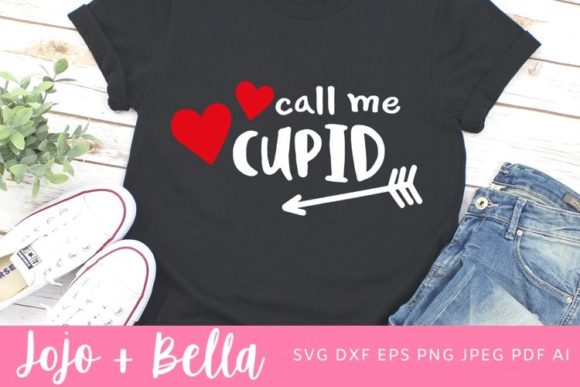
When I opened Call Me Cupid SVG, Love Quote Svg, Cupid for the first time, I wasn’t looking for Valentine’s Day fluff—I was scanning for embroidery viability. And honestly? It passed the glance test. The layout is clean and centered: a soft, stylized Cupid figure cradling a heart, with “Call me Cupid” arched gently above in a friendly, rounded sans-serif. No excessive flourishes, no tiny disconnected elements—just one cohesive visual idea. That matters. A lot. In embroidery, cohesion translates to fewer jump stitches, smoother satin edges, and better stitch registration on curved or uneven surfaces like tote bags or baby onesies.
Real Project Test: Embroidering a Linen Kitchen Towel
Last week, I stitched Call Me Cupid SVG, Love Quote Svg, Cupid onto a heavyweight natural linen towel—intended as a small-batch boutique gift for a local café’s Valentine’s pop-up. I chose 3-thread matte cotton for contrast against the cream fabric, used medium-weight cutaway stabilizer, and ran it at standard density. The result? Crisp lettering, smooth curves on Cupid’s wings, and zero puckering—even where the heart met the arch of the quote. That tells me this isn’t just a graphic; it’s a thoughtfully balanced machine embroidery design. The proportions hold up at 3.5 inches wide—the sweet spot for tea towels, pillow covers, and aprons without crowding the fabric or demanding oversized hoops.
Where It Shines (and Where It Needs Care)
Call Me Cupid SVG, Love Quote Svg, Cupid works beautifully on stable, medium-to-heavy fabrics: denim jackets, cotton sweatshirts, canvas totes, and woven baby blankets. Its moderate detail level means it scales well—from 2.75" for a cap front to 4.25" for a patch or nursery wall hanging. As an applique design, it would pair cleanly with a simple felt or twill base—no need for intricate underlay unless you’re stitching on high-stretch knits.
But here’s where attention matters: the lowercase “i” in “Cupid” is narrow and sits close to the heart shape. On thin fabrics like lightweight cotton voile or stretchy jersey, that area can blur if stitch density isn’t dialed back slightly—or if stabilizer choice is too light. Likewise, the curve of the quote line has subtle tapering. On dark fabric, I recommend testing thread colors in both matte and glossy finishes: a heathered charcoal thread adds warmth, while bright white can feel stark unless balanced with tone-on-tone backing.
What Customers Actually Respond To
I showed early samples to three repeat clients—a boutique owner, an Etsy seller of personalized baby gifts, and a school PTA coordinator ordering teacher appreciation items. All gravitated toward the design’s warmth, not its theme. One said, “It feels handmade, not mass-printed.” Another noted, “My customers don’t want ‘Valentine’s’ stamped on everything—they want something tender they’d keep year-round.” That’s the quiet strength of Call Me Cupid SVG, Love Quote Svg, Cupid: it reads as affectionate, not seasonal. It fits nursery decor *and* kitchen linens. It reads well on a child’s embroidered bib *and* a minimalist sweatshirt for a small shop’s spring collection.
Design Integrity for Craft Businesses
If you’re an Etsy seller, small shop product creator, or craft business owner, consistency matters more than trend-chasing. This digital embroidery file holds up across formats: as a standalone embroidered patch, a focal point on a custom tote, or layered with monogram initials for personalized gifts. Its clean vector foundation means it converts cleanly to printable mockups—no pixelation when scaled for social previews or digital lookbooks. That builds buyer trust before a single stitch is made.
That said—don’t skip due diligence. Before listing finished items or reselling the file itself, verify licensing terms. The product description mentions Cricut, Silhouette, and sublimation use—but doesn’t specify commercial embroidery rights. Always confirm whether your intended use falls under personal, small-batch, or full commercial license. When in doubt, reach out to the designer or marketplace support.
Practical Notes Every Embroidery Designer Should Run Through
- Test first on scrap fabric matching your final project’s weight and texture—especially if using textured weaves or blends.
- Check thread color contrast in natural light *and* under warm indoor lighting. What reads clearly on screen may fade on oatmeal linen or heather gray.
- Review stitch density in your embroidery software. If the heart fill looks overly dense, reduce fill % by 5–8%—it improves drape and wash durability.
- Confirm hoop size compatibility. At 3.5", it fits most 4x4 hoops comfortably—but double-check clearance if stitching near seams or curved edges like cap brims.
- Inspect small details in black-and-white preview mode. Does the “i” dot remain distinct? Does the heart outline stay crisp? If not, consider light manual cleanup before digitizing.
- Use proper stabilizer: medium cutaway for knits, tear-away for stable wovens, and fusible + cutaway for lightweight or sheer fabrics.
- Compare light/dark backgrounds using grayscale mockups—this reveals contrast issues invisible on RGB screens.
Final Thought: A Design That Earns Its Place
Call Me Cupid SVG, Love Quote Svg, Cupid isn’t flashy—but it’s reliable. In a category crowded with overdesigned, hard-to-stitch graphics, it stands out by respecting the craft. It respects fabric behavior. It respects customer taste. And it respects your time as a designer or maker. Whether you’re building a holiday collection, launching a new line of handmade products, or sourcing quality design assets for client work, this embroidery file delivers quiet confidence—not just charm. Use it where intention matters more than volume: on a baby’s first Valentine’s gift, a chef’s embroidered apron, or a small shop’s signature tote. Done right, it won’t just say “Call me Cupid”—it’ll say, “This was made with care.”